Transpantanal
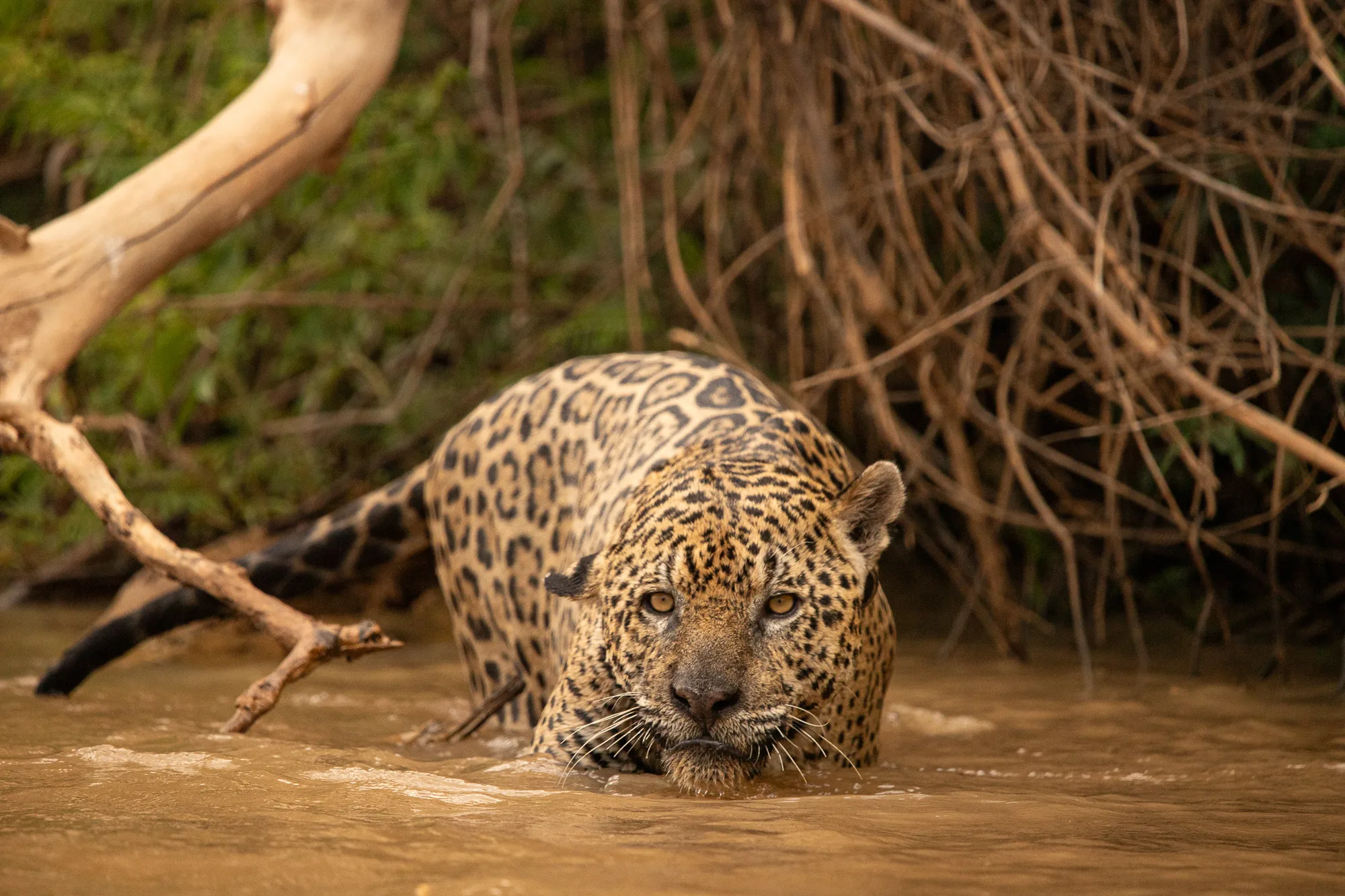
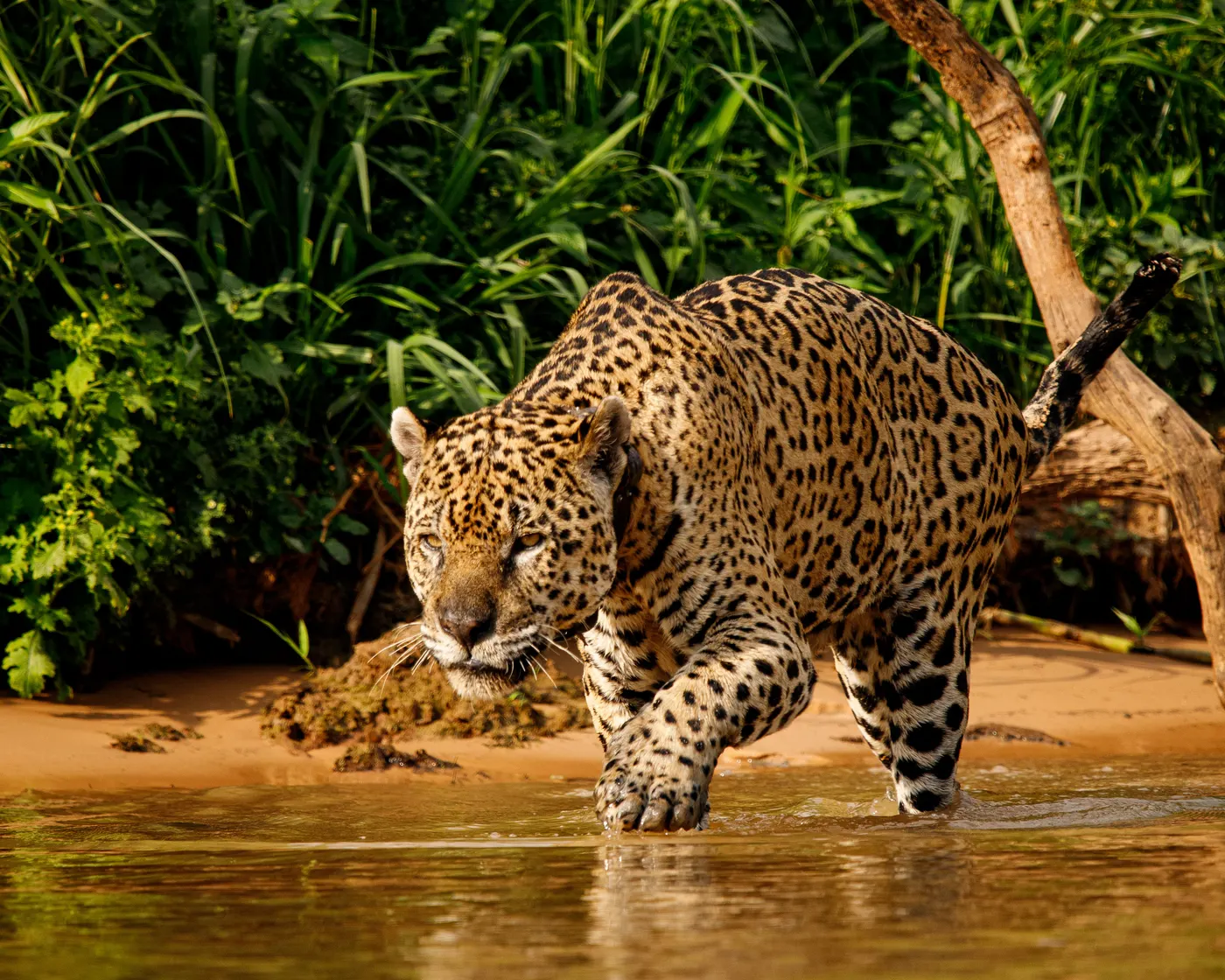
Jaguar walking along the riverbank, seen from the water

The living Pantanal

The greatest wildlife show in the Americas

Where the Piquiri meets the São Lourenço, nature gathers like nowhere else on the continent. Jaguars hunt in daylight, the rivers teem with fish and the sky is rarely without birds. This page is a dive into that world.

Scroll to dive in

The biome in numbers

Life here is measured in the thousands

The Pantanal is the largest wetland on the planet and one of the richest ecosystems on Earth. Every flood redraws the map and redistributes nutrients, fish and seeds. The result is an abundance you can see from the boat window.

0
bird species

from the jabiru to the hyacinth macaw

0
fish species

dourados, pintados and pacus

0
mammal species

and the highest jaguar density on Earth

0
plant species

from water hyacinths to flowering piúva trees

The pulse of the waters

Flood and ebb, the clock that rules everything

The Pantanal breathes once a year. Keep scrolling and watch the river rise and fall, just as it does across the plain.

November to March

The flood

The rains overflow the rivers and the plain becomes a freshwater sea. Fish spread out to spawn, aquatic plants advance over the fields and life disperses across thousands of kilometres of water.

April to September

The ebb

The water withdraws slowly and concentrates the fish in bays and channels. It is a banquet for the caiman, the egret and the jaguar, and the best time to see the animals gathered along the banks.

River levelNov

Expedition

Seven neighbours of the river

Keep scrolling and drift from encounter to encounter, like a boat trip at first light. Hover over the photos to uncover a few curiosities.

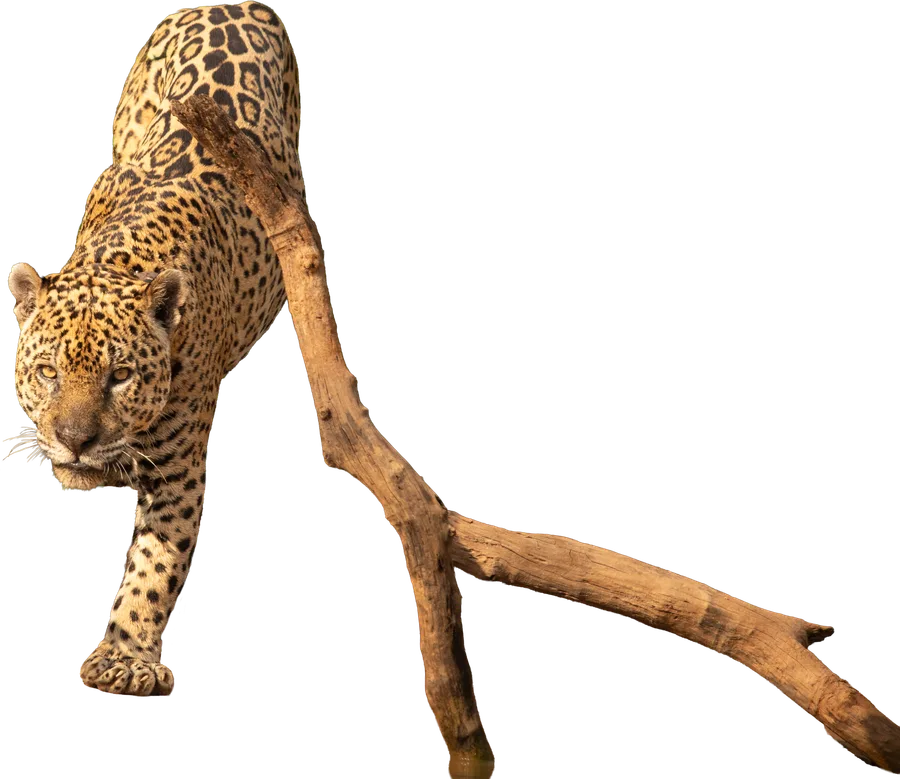
Jaguar

01 of 07

Jaguar

Panthera onca

The largest cat in the Americas hunts here in daylight, right at the water's edge. The meeting of the Piquiri and the São Lourenço holds one of the highest jaguar densities on the planet.

Did you know?

A Pantanal jaguar can top 100 kg, nearly twice the weight of its Amazon cousins.

Where it lives
Riverbanks and gallery forest
Best time
June to October
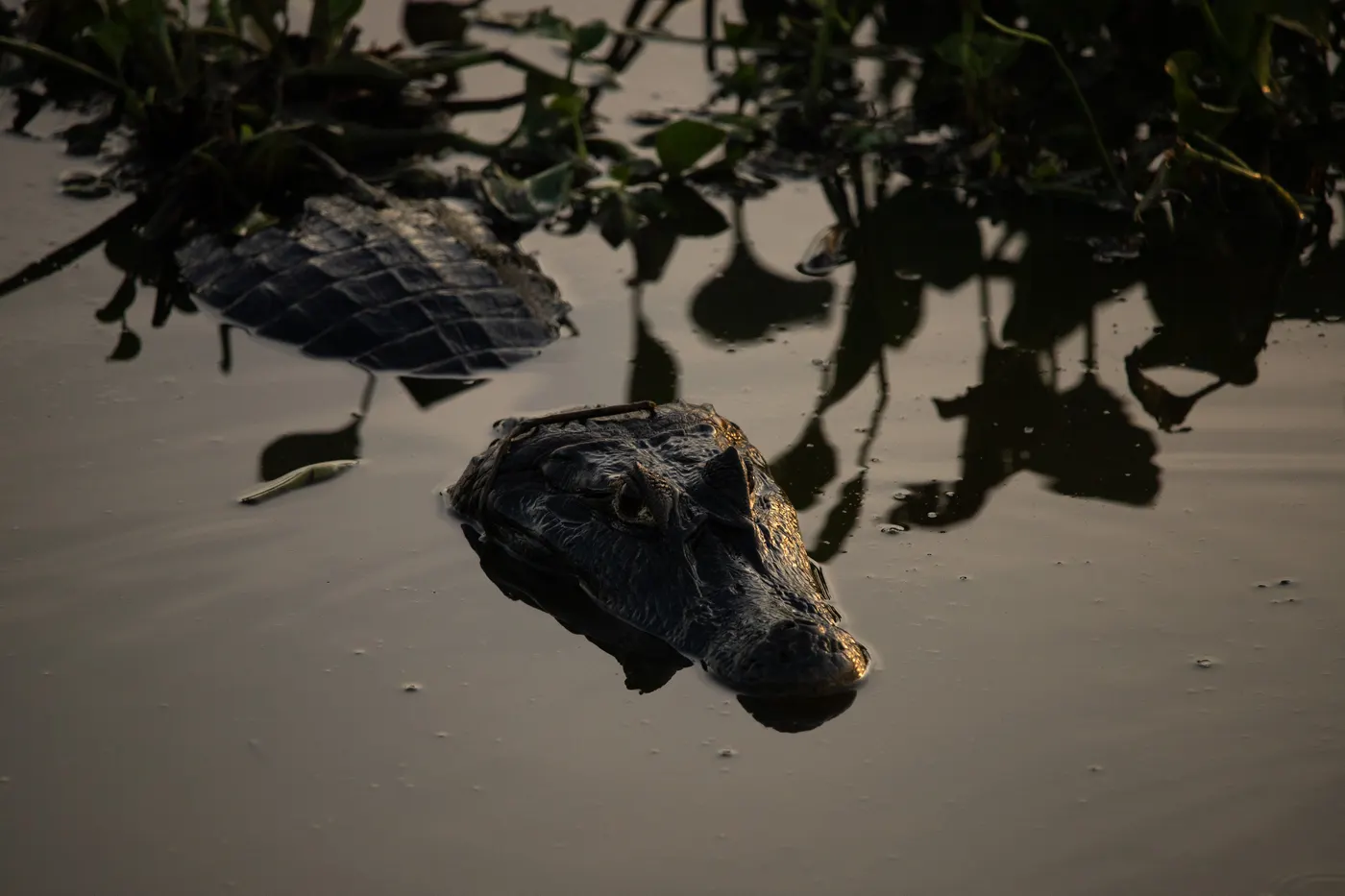
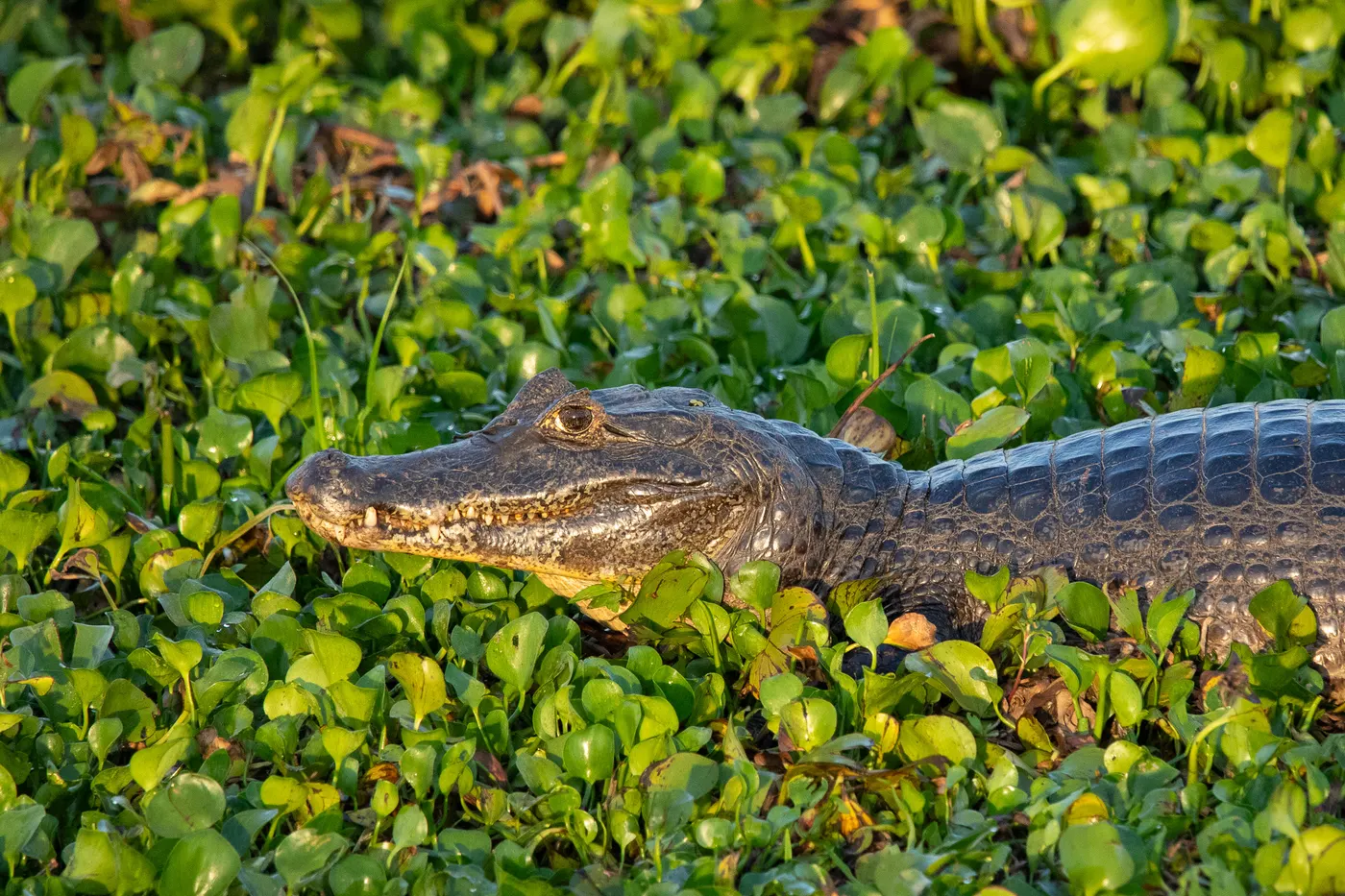
Yacare caiman

02 of 07

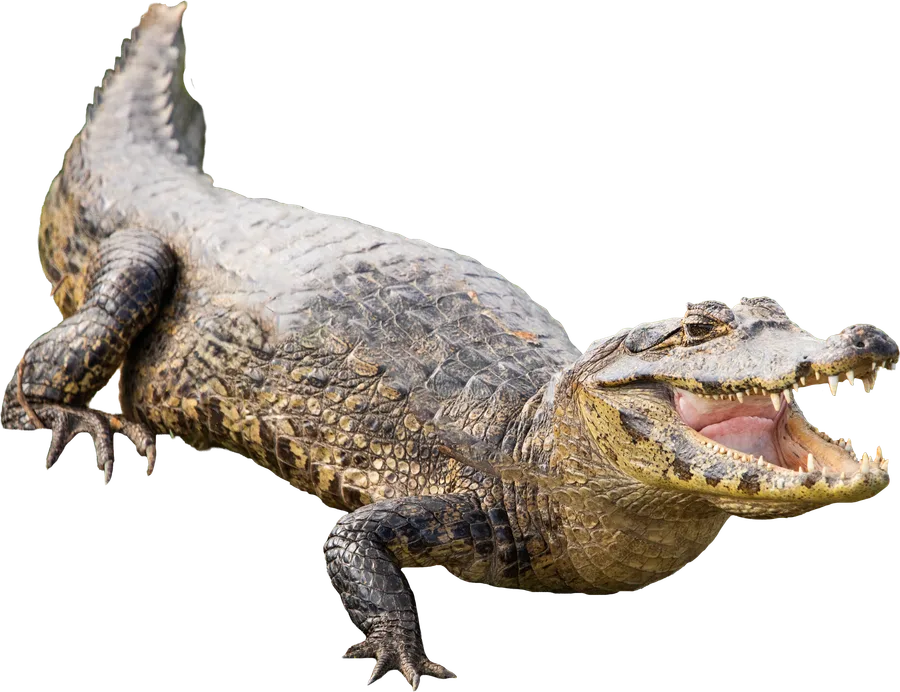
Yacare caiman

Caiman yacare

They number in the millions across the plain and anchor the food chain. A caiman lies motionless in the sun for hours and vanishes at the first hint of movement in the water.

Did you know?

In the dry season, hundreds gather in the last remaining pools, one of the largest crocodilian gatherings on Earth.

Where it lives
Bays, channels and hyacinth beds
Best time
All year round
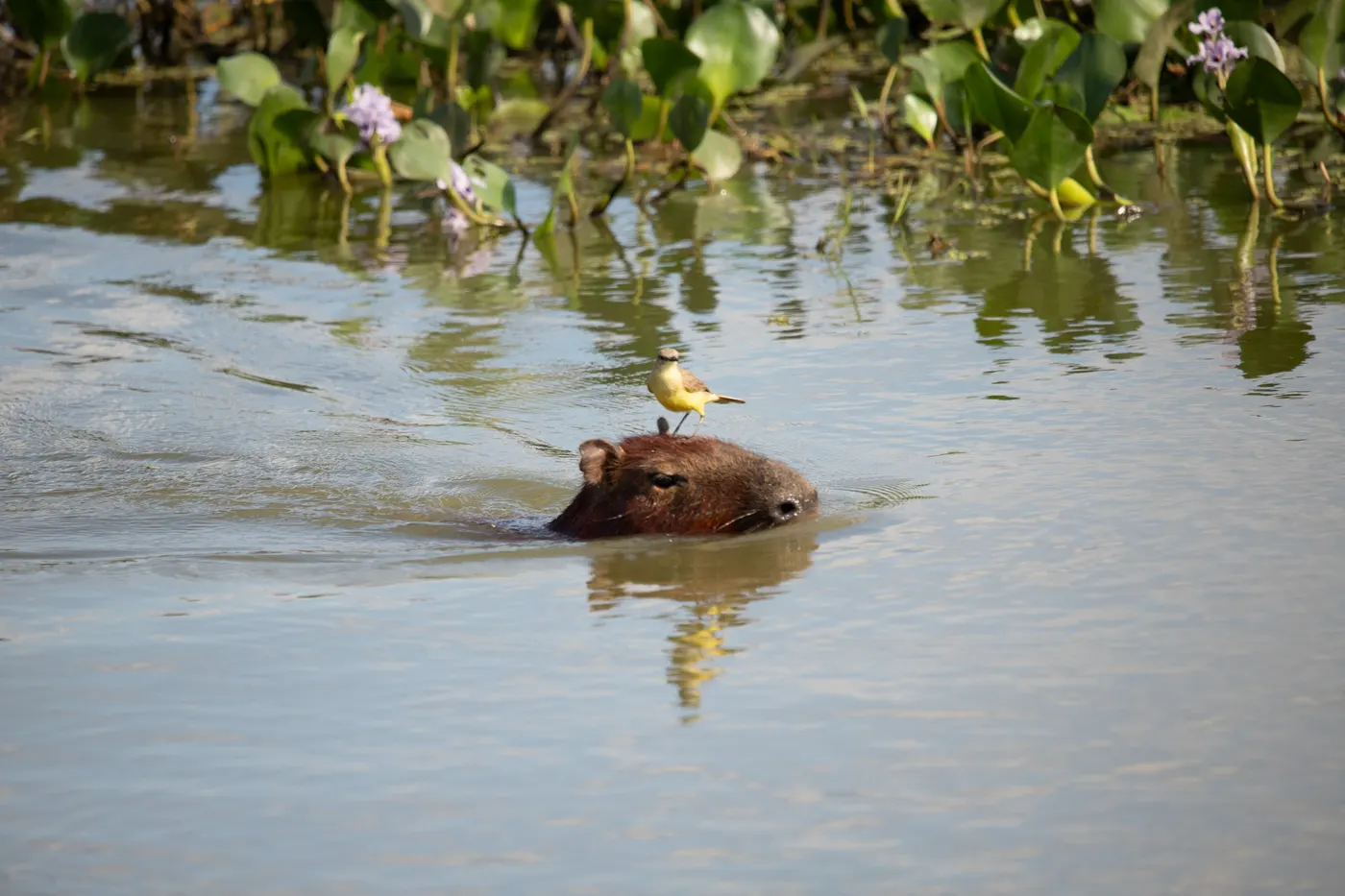
Capybara

03 of 07

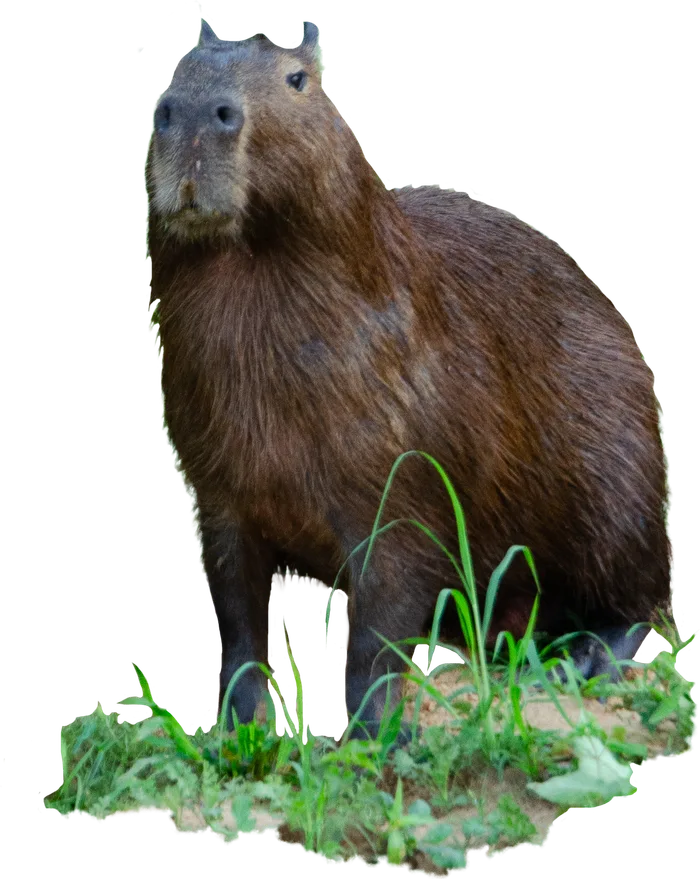
Capybara

Hydrochoerus hydrochaeris

The largest rodent in the world lives in herds at the water's edge. Where there are capybaras, a jaguar is rarely far away.

Did you know?

An adult capybara can stay underwater for up to five minutes to escape a predator.

Where it lives
Banks and flooded fields
Best time
All year round
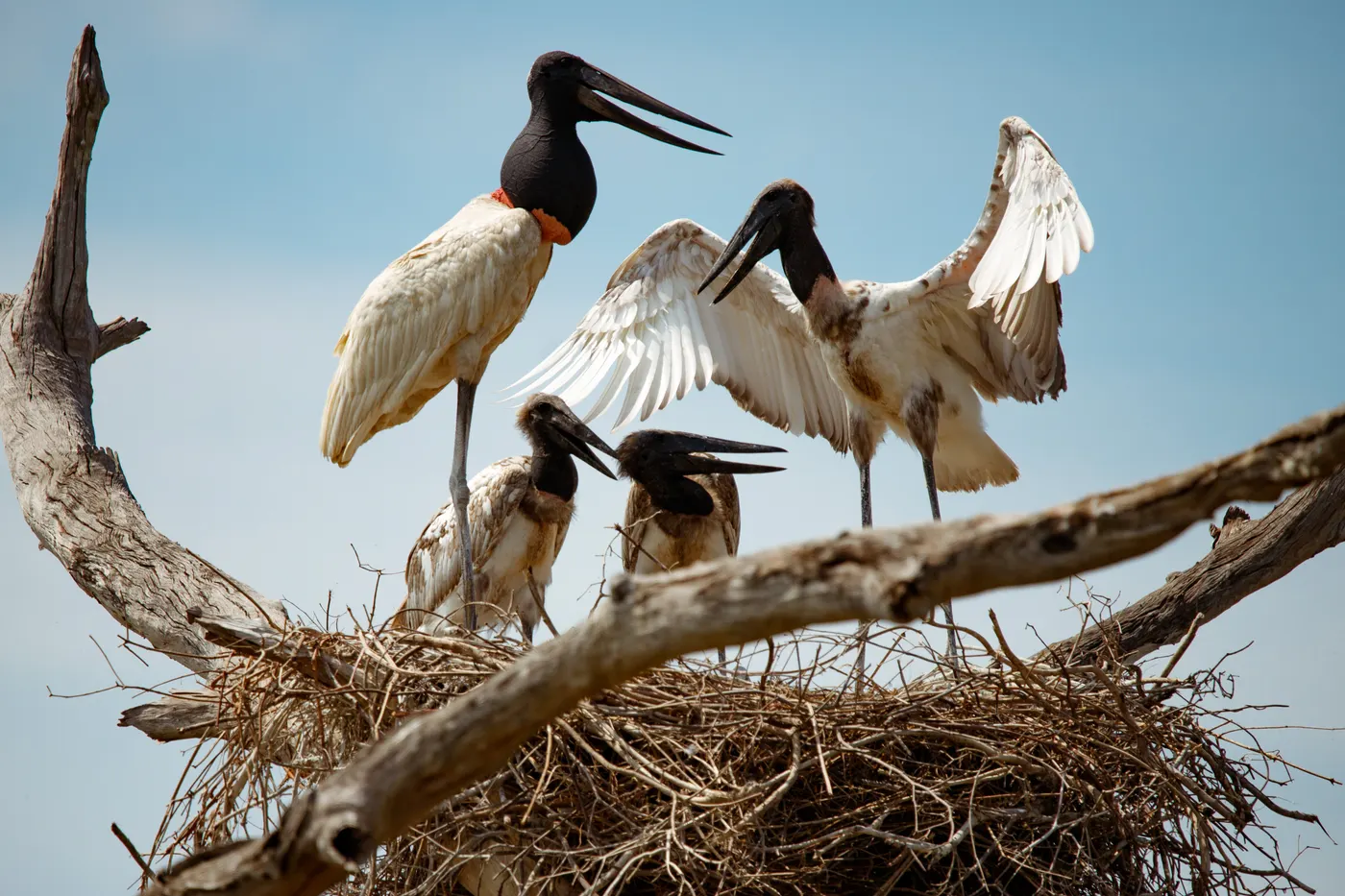
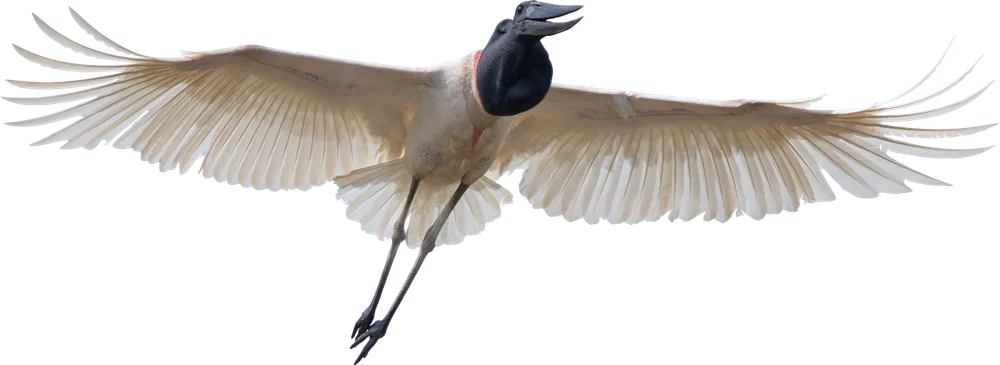
Jabiru stork

04 of 07

Jabiru stork

Jabiru mycteria

The Pantanal's emblem bird stands over 1.4 metres tall and builds giant treetop nests that are reused for decades.

Did you know?

A jabiru nest can reach 2 metres across and weigh more than 300 kg.

Where it lives
Open fields and tall trees
Best time
July to November, nesting season
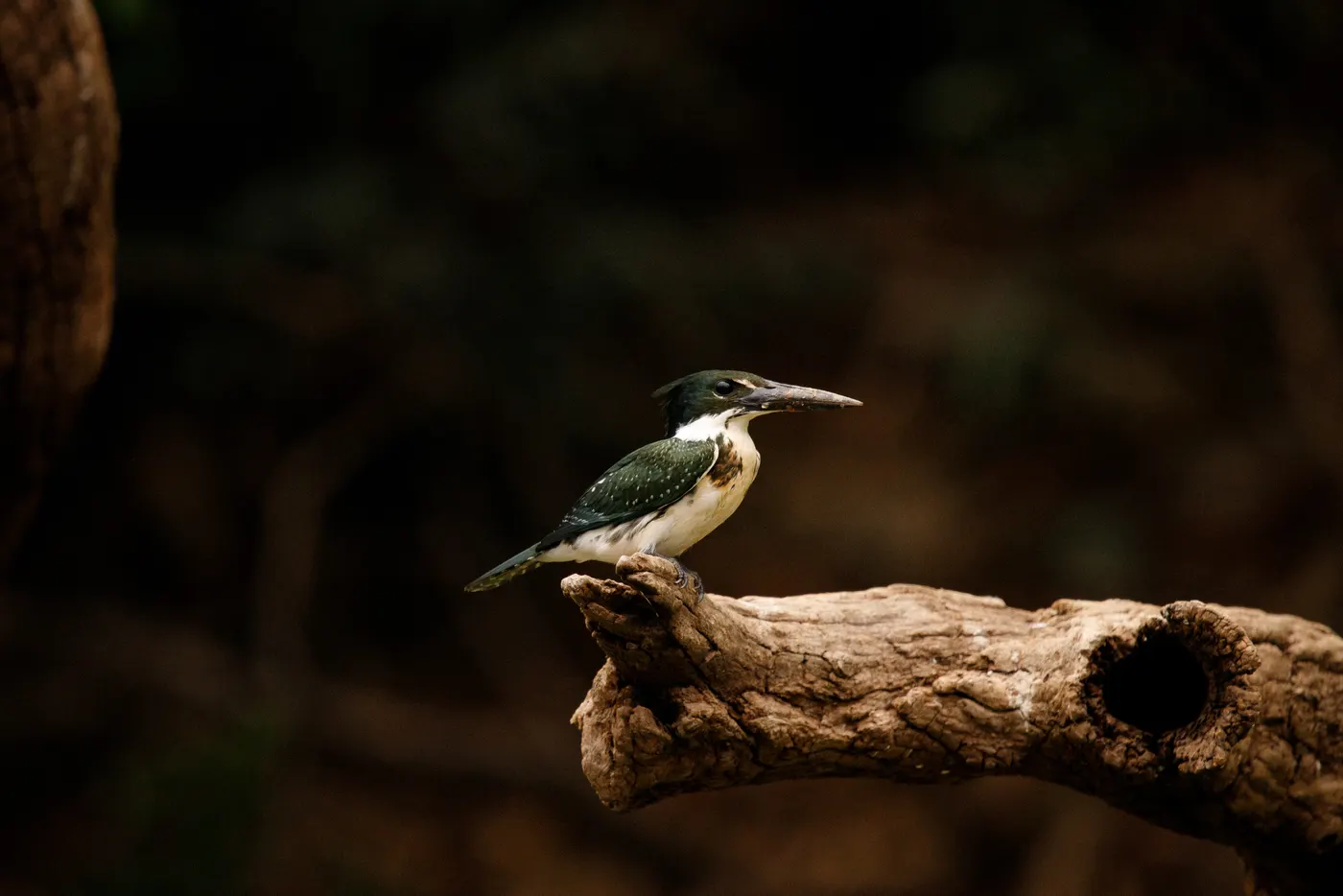
Ringed kingfisher

05 of 07

Ringed kingfisher

Megaceryle torquata

It dives at full speed to snatch a fish and returns to the same perch to swallow it. Its dry rattle gives it away before you spot it.

Did you know?

It sights fish through the surface and corrects its aim for the water's refraction.

Where it lives
Branches over the water
Best time
All year round
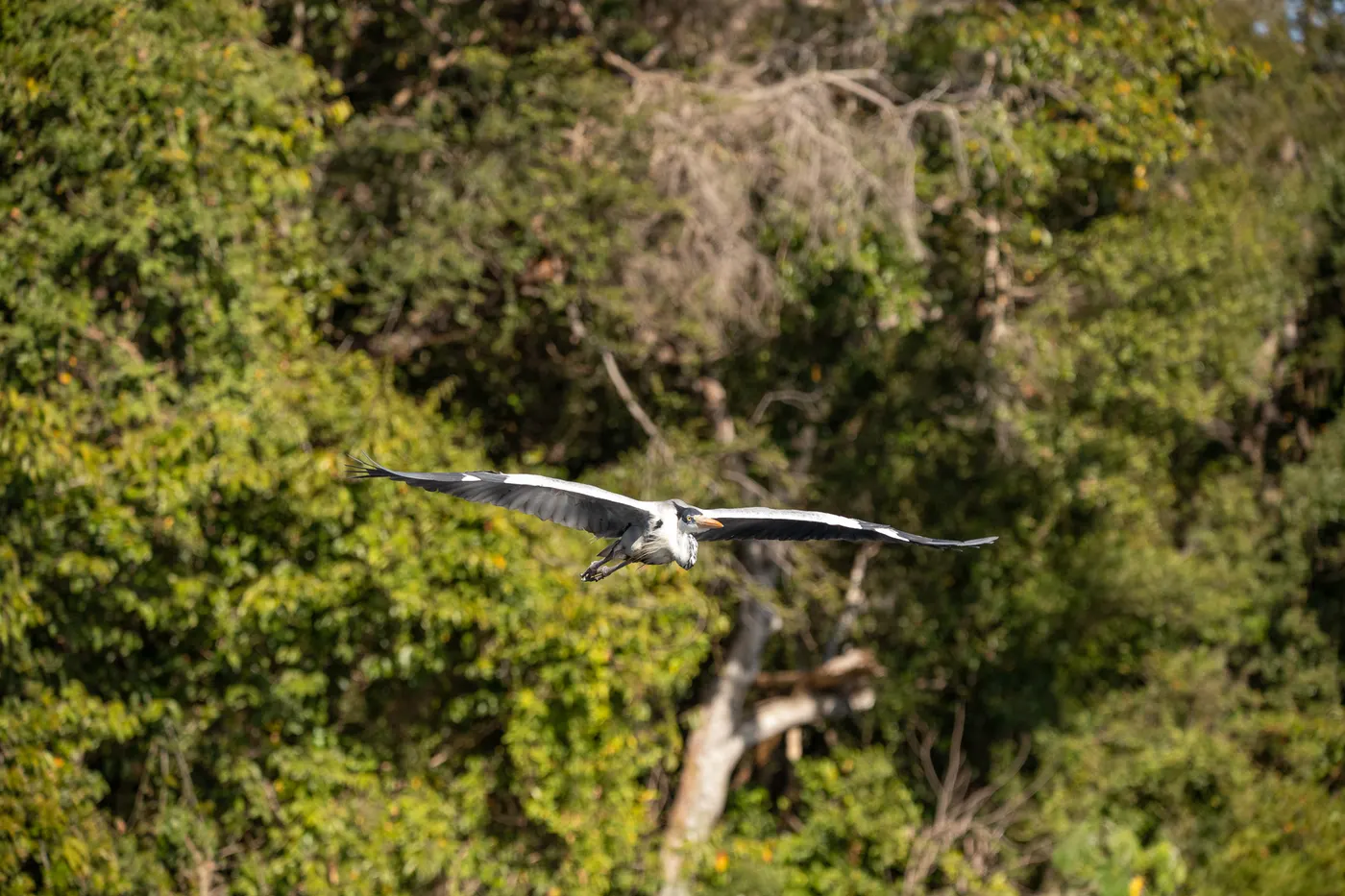
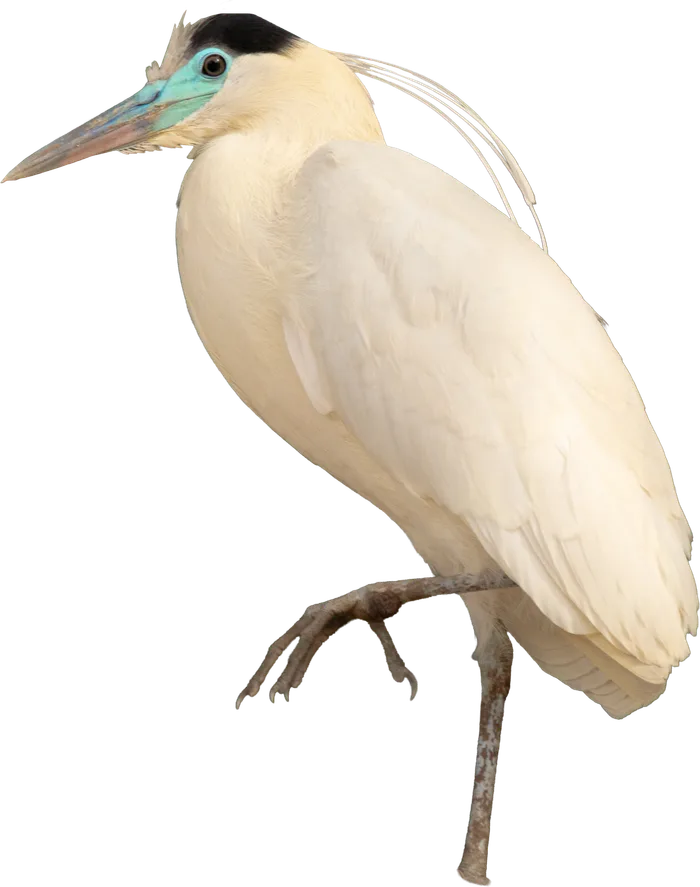
Great egret

06 of 07

Great egret

Ardea alba

A patient hunter of the margins, it fishes standing dead still in the shallows and lifts off in a white line over the river at the slightest scare.

Did you know?

Its breeding plumes, called aigrettes, were so prized that they nearly drove the species extinct in the 19th century.

Where it lives
Shallows and sandbanks
Best time
All year round
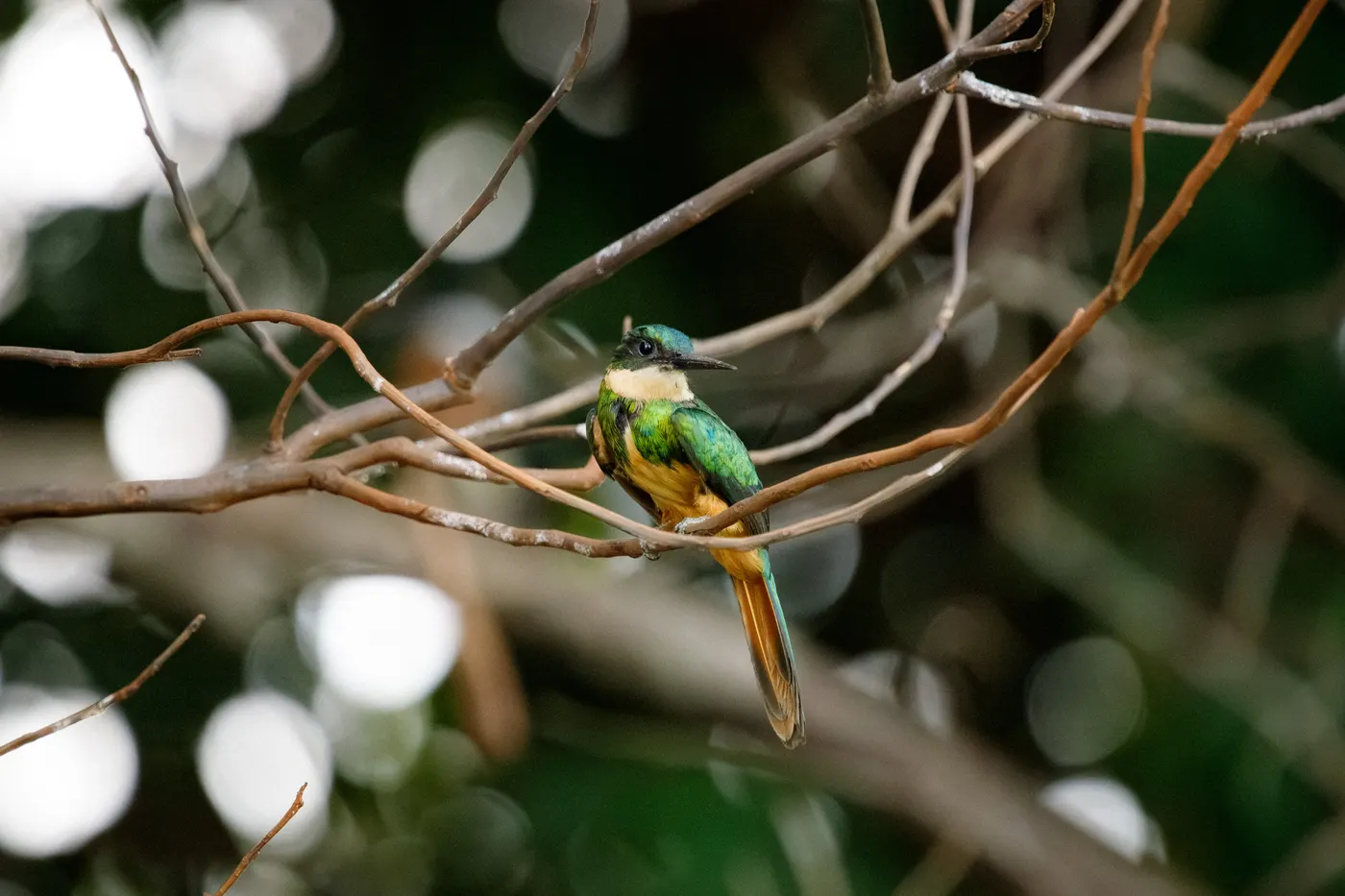
Rufous-tailed jacamar

07 of 07

Rufous-tailed jacamar

Galbula ruficauda

Small and metallic-bright, it hunts insects in short sallies from the same perch, always along sunlit forest edges.

Did you know?

It catches dragonflies mid-flight and beats them against the branch before swallowing.

Where it lives
Forest edges
Best time
All year round

Flora and landscapes

The garden that floats

The Pantanal's flora lives to the rhythm of the water: hyacinths that become islands, fields that bloom in the ebb and the gallery forest that shelters the jaguar. Drag to move through the gallery.

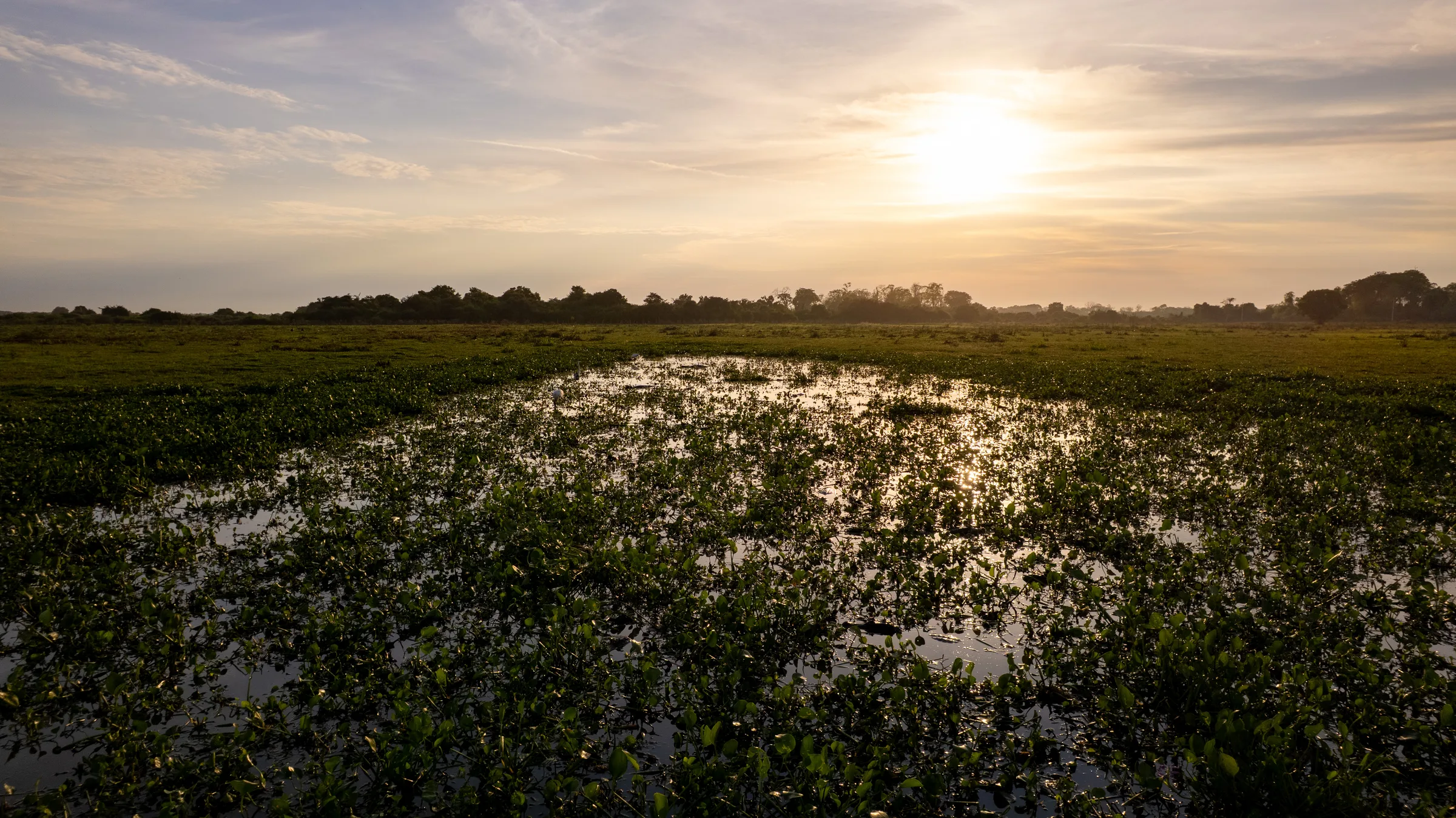
Water hyacinths

Water hyacinths

Floating islands that shelter fry, young caimans and birds hunting from the leaves.

Flooded fields

Flooded fields

At high water, submerged grasslands become fish nurseries and a larder for birds.

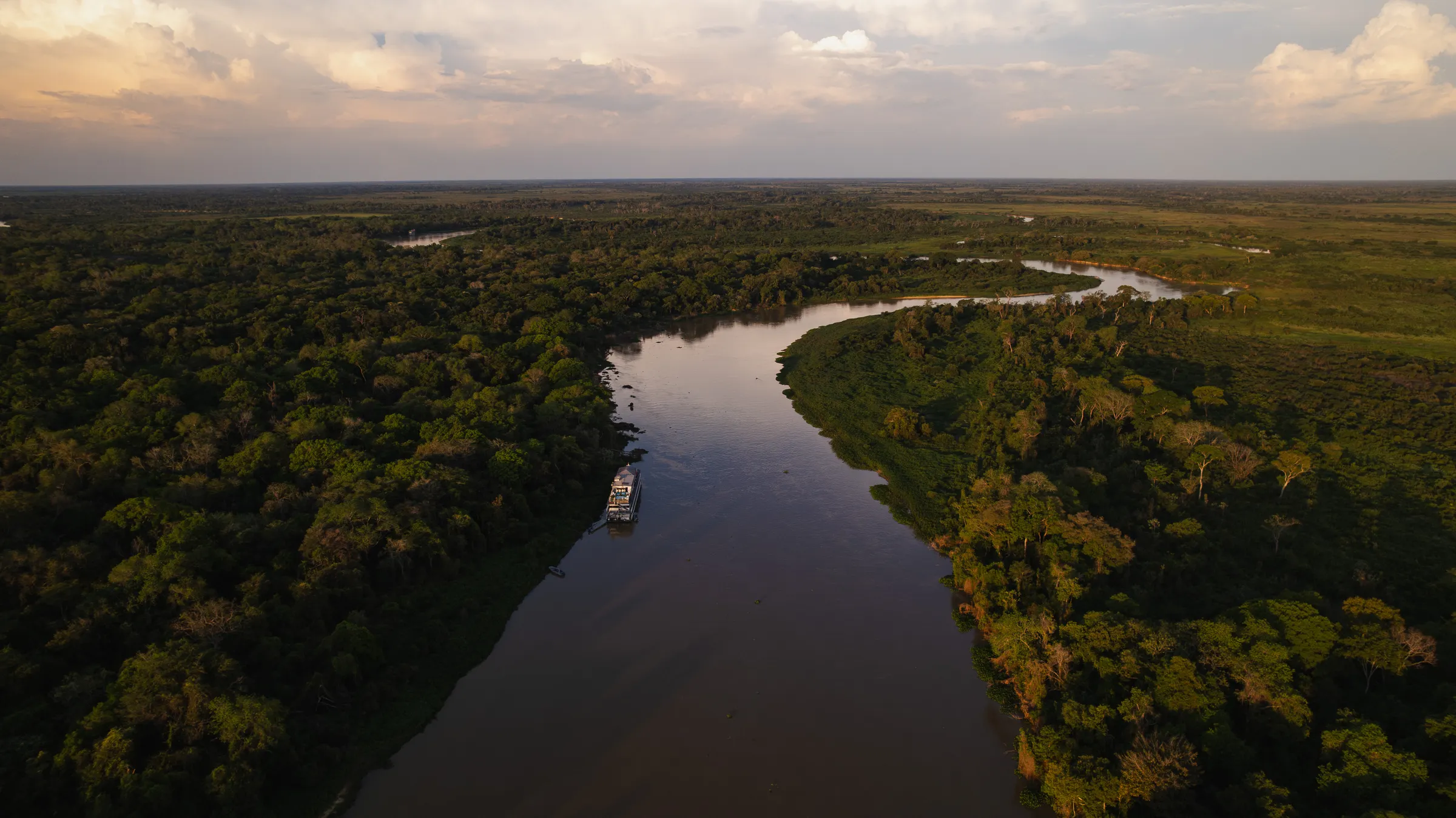
Gallery forest

Gallery forest

The corridor of shade along the river, where jaguars rest and birds nest.

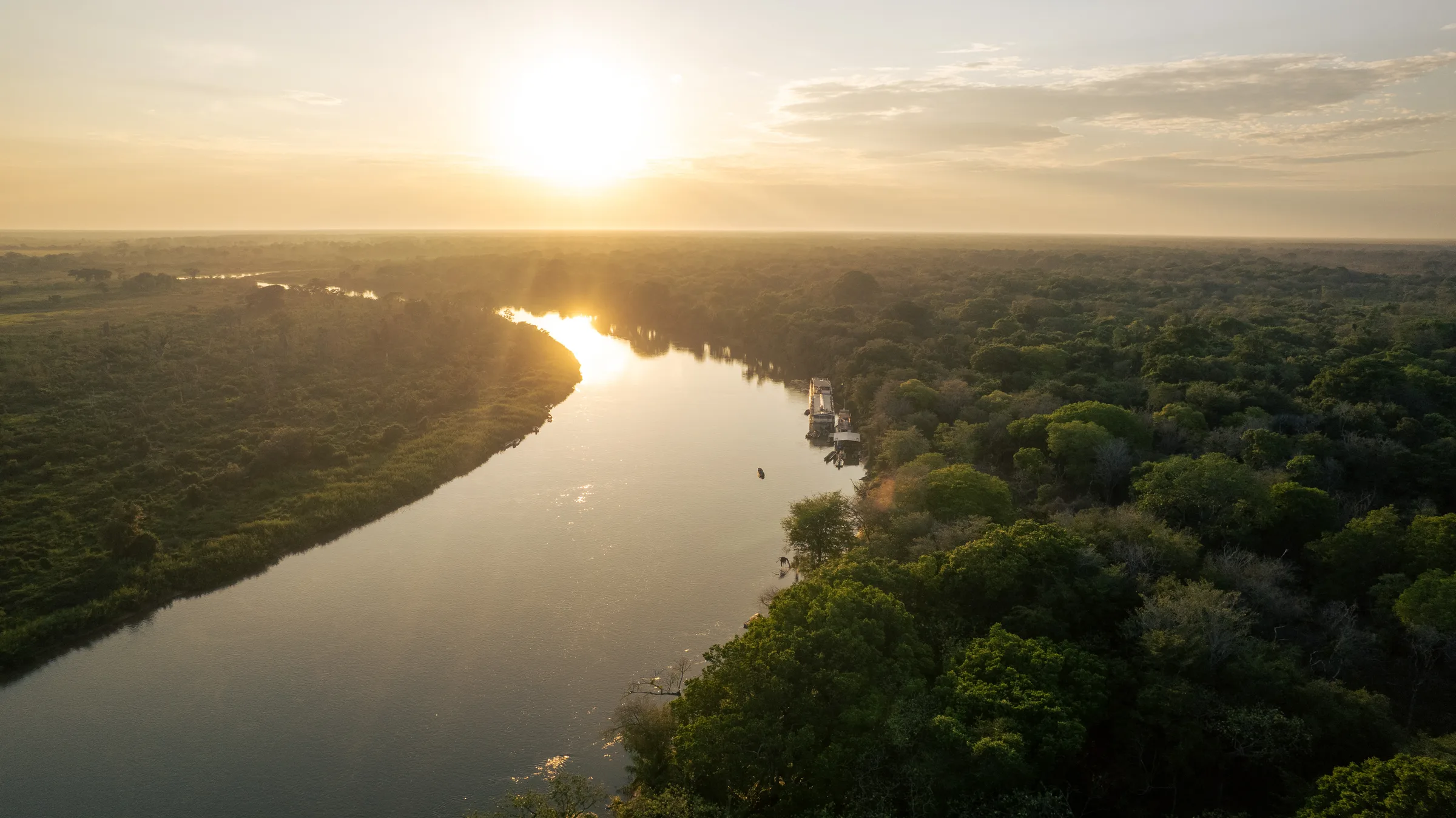
Dawn on the river

Dawn on the river

Mist lifts off the cold water as the first light sets the forest alight.

Golden dusk

Golden dusk

Late afternoon paints the river in the house colours.

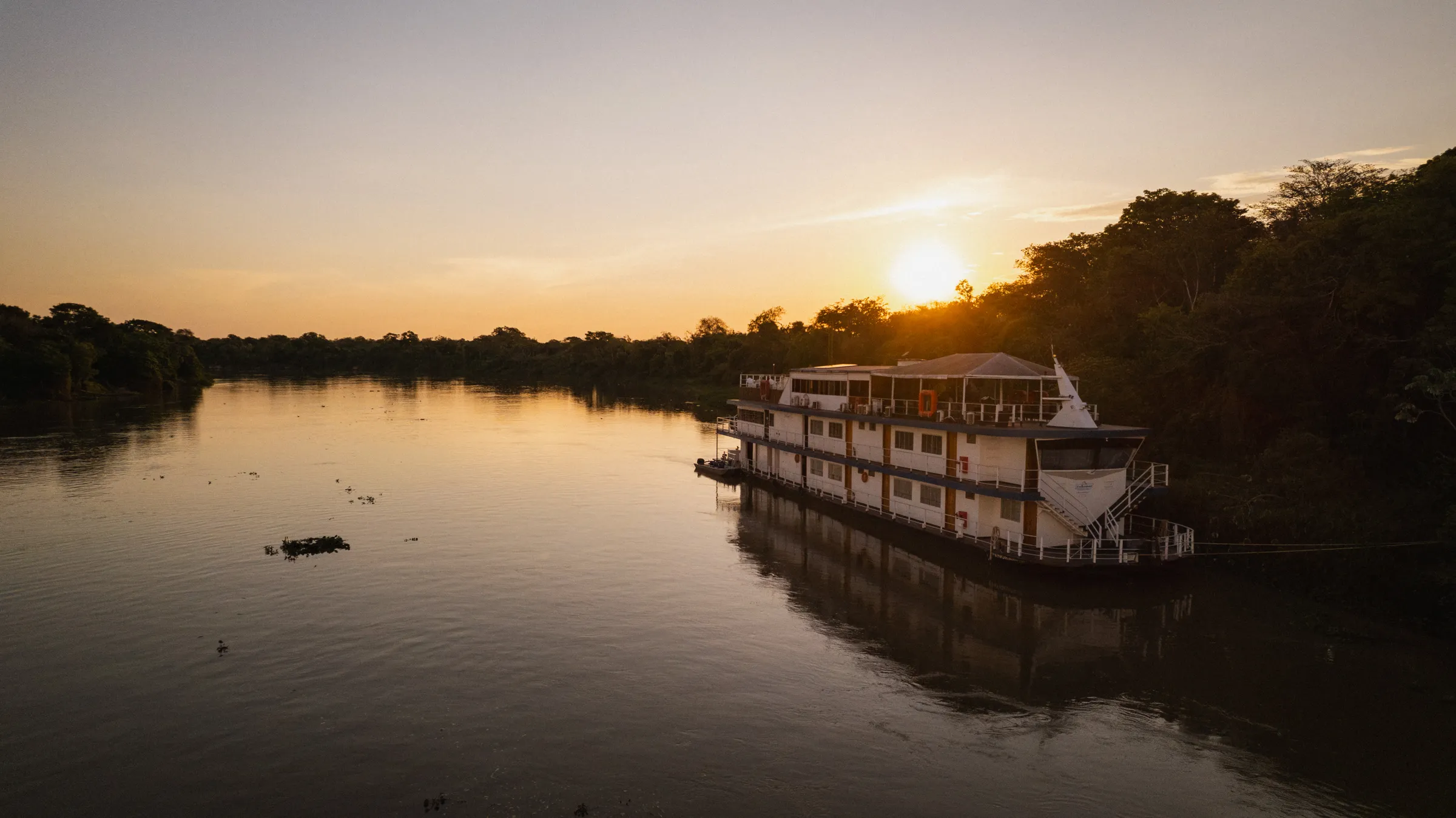
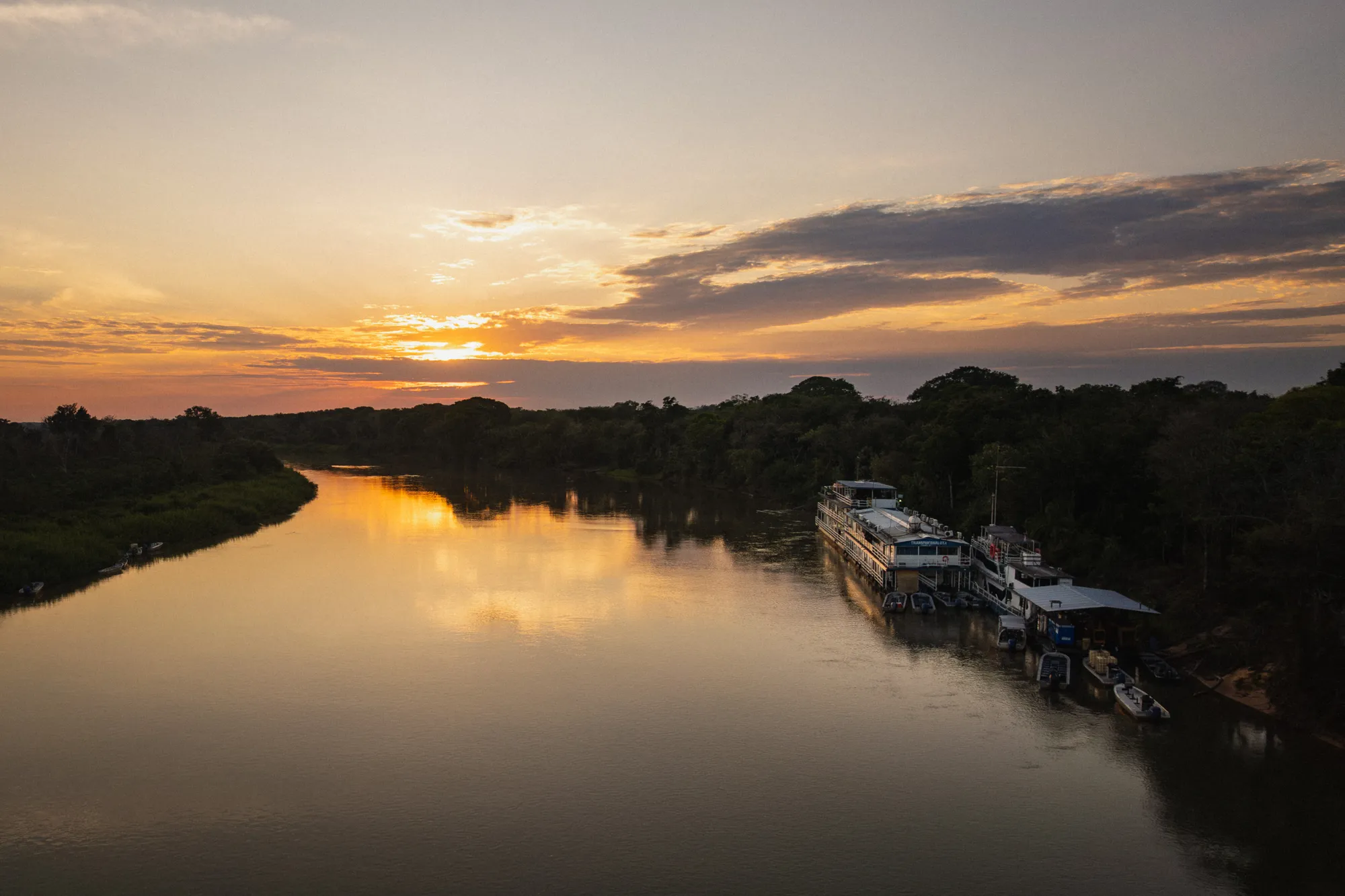
The river at sundown

The river at sundown

The river's bends turn to mirrors in the last minute of light.

Now picture all of it live, from the boat rail

Our trips head straight for the channels and bays where the wildlife gathers. Tell us when you'd like to come and our team will build the itinerary on WhatsApp.